

In a universe where data about wellness is abundant yet often contradictory, understanding brain health can feel like traversing a complex maze. Fallacies and misconceptions abound, leading many to make choices that may not benefit one's mental well-being. In this article, we will cast light on the facts and offer you with research-backed insights into cognitive health. From the effects of nutrition and exercise to the significance of sleep and social interactions, we aim to clarify what truly supports a well-functioning brain throughout all stages of existence.
Whether you are looking to enhance your memory, reduce stress, or simply maintain your mental abilities as you age, it is essential to differentiate between fallacy and reality. We will investigate simple daily habits that can enhance brain health, foods proven to boost memory, and the science that links our cognitive function to overall lifespan. Join us as we debunk common myths and equip you with the knowledge you need to safeguard and enhance your cognitive health for decades to come.
Daily Habits for Brain Health
Embracing simple everyday routines can significantly enhance cognitive health and improve mental abilities. Starting your day with a balanced breakfast filled in integral grains, fruits, and healthy fats can provide essential nutrients for maximum brain function. Participating in regular physical activity, including if it's just a brisk walk, increases blood flow to the brain and stimulates the synthesis of brain-protecting proteins. These practices collectively contribute to improved mood and mental skills, aiding to maintain your mind sharp.
Adding brain-boosting foods into your diet is equally crucial. Foods such as oily fish, blueberries, nuts, and green greens have been shown to support memory and overall brain performance. Maintaining a diet abundant in antioxidants and omega-3 fatty acids can reduce inflammation and encourage neurogenesis, the mechanism of creating new neurons. Consistent meal timing and opting for whole foods over processed ones can additionally enhance nutrient absorption and brain wellness.
Establishing a morning routine that includes awareness practices, such as meditation or deep breathing exercises, can help alleviate stress and improve focus throughout the day. In addition, staying hydrated is essential for maximum brain performance, as even mild dehydration can impair cognitive performance. Making these routines a part of your everyday life can lead to long-term improvements in brain health and mental longevity.
Diet and Brain Function
Nutrition has a crucial role in maintaining optimal brain well-being and function. The brain requires a variety of nutrients to operate effectively, including essential vitamins, minerals, and omega-3 fatty acids. Products rich in antioxidants, such as blueberries and leafy greens, help fight oxidative stress, which can negatively affect brain cells. Incorporating Joint Health balanced diet filled with unprocessed foods not only supports cognitive function but also reduces the likelihood of age-related diseases.
Certain foods have been demonstrated to boost memory and focus. Fatty fish, such as salmon and sardines, are excellent sources of omega-3 fatty acids, which are necessary for maintaining the structure of the brain and function. Additionally, consuming walnuts, dark chocolate, and turmeric can boost brain-derived neurotrophic factor, a protein that supports neuroplasticity and brain function. A varied diet that includes these brain-boosting foods can lead to enhanced cognitive performance and memory retention.
The relationship between nutrition and brain health is further supported by research linking dietary patterns to brain longevity. Mediterrenean-style and DASH diets, which emphasize whole grains and legumes, fruits, vegetables, and good fats, have been associated with enhanced cognitive function in older adults. By making educated dietary choices, individuals can not only nourish their physical health but also invest in their brain health for the future.
Working Out and Mental Well-being
Regular exercise is crucial for maintaining not just physical health but also emotional health. Participating in Immune Health generates endorphins, often referred to as "feel-good" chemicals, which can increase mood and reduce feelings of sadness and stress. This natural boost in your mood can lead to a more positive view on life and can aid alleviate stress, contributing to overall mental toughness.
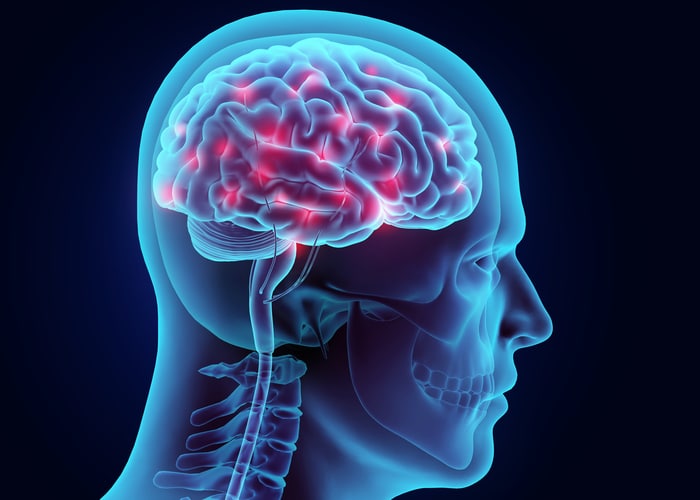
Furthermore, exercise has been shown to enhance brain function by enhancing blood flow to the mind. This improved circulation can support the growth of new neurons and improve brain networks, benefiting recall and learning. Activities that integrate physical exertion with mental engagement, such as dancing or team sports, are particularly effective in enhancing brain health, providing both bodily and mental gains.
In addition to short-term effects on moods and cognition, routine physical activity plays a crucial role in long-term emotional health. Studies have indicated that consistently engaging in physical activity can reduce the likelihood of acquiring brain disorders and mental deterioration as we age. By incorporating exercise into your everyday schedule, you not only promote a fit physique but also lay the foundation for a more resilient and focused mind in the years to come.